If you’re new here, you can keep up with my latest photography information at Picture Pundit – subscribe to my newsletter for a FREE Report: A Guide to Twitter for Photographers.

Subscribe via iTunes:this link will launch iTunes for easy subscription

Here’s the slightly-delayed episode ten of the Social Photo Podcast. Hosts Aaron Hockley and Lyza Danger Gardner talk about entry-level cameras, social media being used for broadcast vs. conversation, and more. This episode is about sixteen minutes long.
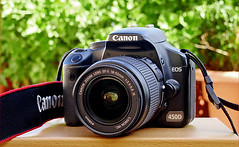
My Canon EOS 450D  (Rebel XSi)Links to Things We Mention

Distribution and Feed

We’re now on iTunes – if you use iTunes, you can subscribe using this link: Subscribe on iTunes

You can also find the podcast as an attachment to the main Social Photo Talk RSS Feed. You should see a player at the bottom of this post if you want to listen directly, or you can grab the Episode 10 mp3 file directly.

Feedback

We’d love to have your feedback – technical, content, or otherwise. Leave a comment here or send mail to [email protected] – thanks!

Photo by Al Ianni, used under Creative Commons licensing

These other posts might be of interest to you:

  1. Social Photo Podcast #12: How Do You Learn? Twitter Contests, Barriers to Blog Comments
  2. Social Photo Podcast #20: Twitter Stats, Twitter’s Future, Being Where Your Clients Are
  3. Social Photo Podcast #3: @dailyshoot Update, Flickr to Twitter, and Short Flickr URLs

Over the last couple of years, HDR (high dynamic range) photography has become more prevalent. Some photographers take it to the extreme and create pieces that are less photograph and more computer-generated artwork, while others use the technique in moderation and attempt to more accurately portray the colors, lights, and shadows as seen by the human eye.

Battery HallwayThe current process for creating and HDR image usually involves capturing multiple photos of the same scene while in the field, with each photo having a different exposure. The photographer then uses software to merge these photos and create a composite image which has a wider dynamic range of tones from light to dark than is possible from a single capture with today’s cameras.

A few compact (point and shoot) cameras have started to feature “in camera HDR”, where the device performs the merge in-camera so that only one file, and HDR composite, is the result. While this might be great in a point-and-shoot, I disagree with some predictions that pro photographers will start to use it on their DSLR. For the same reasons that pros don’t shoot in “P” mode, pros will want to control the details of the process so that the photographer can create the best possible image and potentially apply their own style to the photo.

In-camera HDR will be much like in-camera JPG: although there might be some ideal conditions where it’s useful, most pros will choose to shoot RAW and process their own HDR so that they can control the process completely… folks are paying for that professional touch.

What do you think? What’s the likelihood of you using in-camera HDR?