If you’re new here, you can keep up with my latest photography information at Picture Pundit – subscribe to my newsletter for a FREE Report: A Guide to Twitter for Photographers.

In CommandI know I follow the blogs and photo websites of some of our regular commenters, but I know there are a lot of you who have websites and blogs and Twitter accounts that I might not know about.

Tell me about it. Leave a comment on this post full of nothing but shameless self promotion. Give me the URL to your website. Let me know your Twitter @name. If you’d like me to connect on Facebook, drop that URL into a comment as well.

I want to make sure I keep up with the great things you’re doing.

These other posts might be of interest to you:

  1. Build Your Network by Leaving Blog Comments
  2. Photoshelter Updates: Better Customization, Better Sitemaps, Better URLs
  3. Social Photo Podcast #3: @dailyshoot Update, Flickr to Twitter, and Short Flickr URLs

I’ve talked to several photographers who have expressed a similar thought: “I know that I should blog… but what should I blog about?” There’s not a single right answer to that question, but there are a couple general options for a photographer who blogs: either blog for your clients, or blog for your peers.

Blogging for your Photography Clients

A client-focused blog is a great way to show off your recent work and highlight your services. By highlighting some of your recent photography, you’ll help your potential clients understand your style and portfolio as well as be able to keep fresh images on your website. Another nice aspect of blogging about recent client photoshoots is that your clients will often get a kick out of seeing their photos on your site. They’ll tell their friends and family to check out their picture on your blog, driving traffic to your site and exposing your internet presence to a larger audience. For a couple great examples of client-focused blogs, see the work of Gabriel Boone Photography and Sara Gray Photography.

keyboard ~ blurBlogging for Photography Peers

A photography blog that’s aimed at photographers probably won’t lead to a direct increase in client business, but it can be a great way to discuss and share technique as well as engage in a dialog with others who are in similar situations. If you’re going to blog for peers, be sure to offer a combination of explanation plus examples. The blog can cover all sorts of topics or it can be focused on a particular thing for which you have an expertise to share. Remember however that you don’t need to be an expert to blog… blogging your learning experiences can be beneficial both as a learning tool as well as something that other photographers can use as reference. Examples of blogs aimed at fellow photographers would be Digital ProTalk and this very site you’re reading.

Which Should You Do?

It’s up to you. If you’re looking to share your client work and directly reach your existing and potential client base, then a client-focused blog is the way to go. If you’d rather reach out to other photographers and expand the breadth of your reach amongst peers, then a blog aimed at the photographer audience is a way to publicize your voice. I’d caution against mixing the two types of blogs, as photographer-facing posts might confuse or bore your clients, while example after example of client work might not always attract the interest of your peers. Splitting up blog topics was one of the key reasons behind the formation of this site, providing a venue for my photographer and social-oriented posts which previously resided on my client-facing website.

There’s no single right way to blog, but your blog should have a focus of your own choosing. If you currently blog (or are thinking of starting), what’s your focus? Who do you blog for?

Photo by striatic, used under Creative Commons licensing

If you’re new here, you can keep up with my latest photography information at Picture Pundit – subscribe to my newsletter for a FREE Report: A Guide to Twitter for Photographers.

Have something on your mind about social media as a photographer?

EMP SWant to talk about some great service or tool? Have you found an effective way to reach folks with your photography?

I’d love to have you write a guest post for Social Photo Talk. Your article will be seen by our audience and it’ll provide a gateway for some new people to check out your online presence as well.

Find out more about guest posting here.

These other posts might be of interest to you:

  1. Guest Posts are Win-Win for Bloggers Building Content
  2. What Part of Your Photo Business is Social Media?
  3. I Don’t Know What You Mean!

What’s the social media thing that you know you should do, but aren’t? Why?

These other posts might be of interest to you:

  1. Four Quick and Easy Blog Post Ideas
  2. A Blog vs. a Post
  3. Tease Me, Stuff Me, or Fill Me with Facts: Effective Blog Post Titles

I’ve had some observations…

Old Journalism

Creation of news for publication used to be very hard. Typewriters could be obtained, but they produced documents that could be considered utilitarian at best, with no graphics, a lack of typeface options, and difficult situations if errors needed to be corrected. Then the 1980s happened: personal computers became affordable and desktop publishing software made it possible for the masses to create attractive newsletters and flyers.

And Another Thing... newspaper proofIn the olden days, publishing news was hard. Production required large expensive printing presses. One person at home with a typewriter could write up a newsletter, but creating many copies of said newspaper required more resources than were feasible for the average Joe. Then the turn of the century rolled by and internet publishing became easier. Easy-to-use content management systems and blog platforms made it possible for the general public to easily spread news and other information online.

The industry of traditional journalism, with its controlled production and distribution, is dying as a result.

Old Stock Photography

Creating photos for stock sale used to be very hard. Professional camera and lighting equipment was expensive, and the incremental costs of film purchase and development made it important for a photographer to nail the perfect shot as quickly as possible. Then the 1990s happened, digital cameras dropped below $1000, and it was much easier for the masses to create a large quantity of photos of nearly every subject.

It used to be that the sale and distribution of stock photography was difficult. Photographers didn’t have an easy way to show their work to large numbers of the general public, so a few stock photography agencies would consolidate and market stock photos using a centralized model. Then the internet happened, and photographers were able to easily post and share their work online using mass-market photo sharing sites (such as Flickr) as well as personal photo gallery sites.

The industry of traditional stock photography, with its controlled production and distribution, is dying as a result.

Today’s Reality

In the reality of free market economics, industries rise and fall over time. New markets emerge and old markets fade away. If we speak in the terms of a life, traditional journalism and traditional stock photography are dying and are on life support. Unlike human life, the traditional stock photography and journalism markets will not be brought back to life. Computers are not just a fad; the internet isn’t some passing trend. We’re in a digital, connected world and the residents of that world have made it clear that they don’t want to buy newspapers and they won’t buy expensive stock photography.

There are individuals and organizations within the photography and journalism communities that have embraced the future and are diving headfirst into new ventures using their industry chops. There are also sizable crowds from each industry that are stuck in the middle, wanting to make the most of their traditional pasts and unsure of how to proceed into the new media world. Unfortunately, there’s a third set of folks, and they’re holding back each industry as a whole. I’m speaking of the folks that refuse to embrace the change and instead devote their energy to bitching about those who move forward.

Project 366 - 358/366 March of the Cameras HBWDeriding those who are using new models such as microstock or publishing local news on community-grown websites isn’t the answer. It’s rude, insulting, and distracting for those who are making a good-faith effort to move forward. I see similar negative rants coming from those in the stock photography market and those with a journalism background. I routinely come across pieces where a photographer posts sarcastic non-thanks for “more and more clients who don’t value good photography” and “more microstock crap to further devalue stock photography” or someone who compares journalism to brain surgery and advocates that citizens creating media can’t use the journalism word.

Your old stock photography and journalism model is dead. Please move on, or at least shut up and get out of the way of those of us who are.

The Future

While it’s not wise to ignore the past (something about being doomed to repeat mistakes), it’s similarly unwise to dwell there. Moving forward, journalists and photographers should look at what has worked. Investigative journalism won’t go away simply because old delivery mechanisms are obsolete. Well-lit, creative photography will still be in demand even with new distribution and payment models. We’re in the midst of exciting times with a lot of potential for future growth.

I’ve brought together the discussion of journalism and photography because there are so many similarities… not only in the downfall of tradition publication and distribution methods, but also in the opportunities for future growth. Smart journalists have embraced the web and social technologies. Bright photographers have figured out how to sell images outside of traditional stock channels. Having a blog doesn’t mean that one is practicing professional journalism, just as owning a camera doesn’t make one a professional photographer. Yes, “citizen journalists” and “citizen photographers” might take a small bit of the market once owned by “professionals”, but that doesn’t diminish the value that those who really know and understand the mechanics and business.

My predictions: photographers will adapt and embrace new licensing models that allow individuals or organizations to easily obtain licensing for photos in a system that’s easier for everyone involved. The best photographers will continue to stand above the rest, but easy payment and licensing options will mean that there won’t be a lot of future in the sale of images of everyday objects or scenes in everyday lighting. Journalists will embrace new delivery mechanisms for their work, with hyperlocal and realtime becoming the keys to an industry that was once focused on global and hours (or days) -old news.

While photographers and journalists with traditional skills and experience will have a leg up on newcomers, that past experience alone won’t guarantee one’s relevance in the next few years. Move forward. Do something different. Experiment. Risk. Those who are willing to take some risks and try new things are bound to become leaders in emerging markets. Instead of spending energy complaining about the past and the fact that things are changing, spend that energy learning something new, reaching out to a new audience, or experimenting with a new marketing technique.

Go make something interesting and new rather than living in a world dominated by sad reminiscence about days gone by.

This article is posted using open source blogging software and was illustrated using photos licensed under Creative Commons (from tiny_packages and The Suss-Man (Mike)).

Subscribe via iTunes:this link will launch iTunes for easy subscription

The BeanEpisode 5 of the Social Photo Podcast is here. Hosts Aaron Hockley and Lyza Danger Gardner talk about copyright and property releases for publicly-viewable art and architecture, comparing the stock photography and journalism industries, and the results of a poll on workflow. This episode is around 17 minutes.

Links to Things We Talk About

Distribution and Feed

We’re now on iTunes – if you use iTunes, you can subscribe using this link: Subscribe on iTunes

You can also find the podcast as an attachment to the main Social Photo Talk RSS Feed. You should see a player at the bottom of this post if you want to listen directly, or you can grab the Episode 5 mp3 file directly.

Feedback

We’d love to have your feedback – technical, content, or otherwise. Leave a comment here or send mail to [email protected] – thanks!

Photo by papalars, used under Creative Commons licensing

These other posts might be of interest to you:

  1. Social Photo Podcast #16: iPad Poll Results, URL Shorteners, Andy Adams Interview, Call for Questions
  2. Social Photo Podcast #4: What to Tweet, Holiday Gifts, Upcoming Poll on Workflow
  3. Social Photo Podcast #2: @dailyshoot and Sharing Work Online

If you’re new here, you can keep up with my latest photography information at Picture Pundit – subscribe to my newsletter for a FREE Report: A Guide to Twitter for Photographers.

Subscribe via iTunes:this link will launch iTunes for easy subscription

Here’s the slightly-delayed episode ten of the Social Photo Podcast. Hosts Aaron Hockley and Lyza Danger Gardner talk about entry-level cameras, social media being used for broadcast vs. conversation, and more. This episode is about sixteen minutes long.

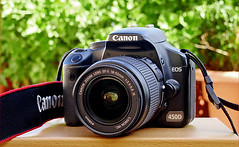
My Canon EOS 450D  (Rebel XSi)Links to Things We Mention

Distribution and Feed

We’re now on iTunes – if you use iTunes, you can subscribe using this link: Subscribe on iTunes

You can also find the podcast as an attachment to the main Social Photo Talk RSS Feed. You should see a player at the bottom of this post if you want to listen directly, or you can grab the Episode 10 mp3 file directly.

Feedback

We’d love to have your feedback – technical, content, or otherwise. Leave a comment here or send mail to [email protected] – thanks!

Photo by Al Ianni, used under Creative Commons licensing

These other posts might be of interest to you:

  1. Social Photo Podcast #12: How Do You Learn? Twitter Contests, Barriers to Blog Comments
  2. Social Photo Podcast #20: Twitter Stats, Twitter’s Future, Being Where Your Clients Are
  3. Social Photo Podcast #3: @dailyshoot Update, Flickr to Twitter, and Short Flickr URLs

Do it!Response time? Are we putting out fires? Not necessarily. But your social media response time is something that should be considered as one establishes an online presence. Here’s a rundown of how I am available online and how quickly I respond to various forms of communication:

  • Email: If an email message only requires a quick reply (less than 5 minutes), I’ll usually respond within a few hours if I’m awake. If it needs a longer response, I’ll get back to folks within 24 hours.
  • Twitter @replies: If I’m online or checking my smartphone, I’ll see an @reply and will respond pretty quickly (generally as soon as I see it).
  • Twitter Direct Messages: See Email. I only get DMs via email.
  • IM: If someone sends me an instant message, I’ll give quick answers on the spot. I try not to show myself as “available” when I’m not, so if I’m on IM, I’m usually able to answer right away.
  • Phone: Phone? Huh? I thought this was about social media? It is… sort of. I make my cell phone number available and I’ve found that folks won’t abuse it. Generally I answer the phone right away.

What’s the point of considering the various forms of communication? It matters when setting expectations for clients, peers, and anyone else with whom you interact. If a client or potential client has a need for a quick photoshoot, how can they reach you fastest? What about a past client who wants to use an image for a new purpose beyond the original licensing? Last month I had a client send me an IM at 11:00 at night as they worked to put together advertising for a conference program. They wanted to use an image and needed to ask about licensing and credit… and they needed to have it done by the next morning. They felt comfortable sending me an IM to get the answer they needed. It was quick and easy for all; they got to use the image and had their ad in the program.

I’m not insisting that you need to be available 24×7 for any particular client need… but look at the various ways in which you can be contacted and decide which ones make sense. After deciding how you can be contacted, make sure that your clients and other contacts know what sort of response to expect. I make it clear that I don’t sit on my inbox and respond instantly to every email, so my clients know that if they have an urgent need they should send me an IM, give me a call, or even shoot me an @reply on Twitter.

Pick your contact methods and communicate the expectations for response.

Photo by bugeaters, used under Creative Commons licensing

These other posts might be of interest to you:

  1. Social Media Time Management: Splitting Time Between Twitter, Facebook, and Blogging
  2. How Much Time Should a Photographer Spend on Social Media?
  3. Does Social Media Negatively Impact Creativity?

talk talk  (FSOD)There are a lot of great online resources to learn about social media, but it’s a good idea to occasionally get together offline with like-minded people and talk about the tools and processes as well. How easy it is to meet people offline depends on where you live, but here are a few resources:

  • The Social Media Club has local chapters in many cities around the world. See their list of local chapters and find out of there is one near you. From what I’ve heard, the topics and nature of the groups vary by city. The group nearest to me (Portland) is led by folks with a heavy PR background and the events tend to reflect that.
  • See if there’s an active Flickr group in your area that gets together offline. Here in Portland, the pdx group has a monthly social get-together where we’ll chat about photography and such in a very casual way (usually at a local pub).
  • If you’re a blogger, attend a local or national conference. The local WordCamp events (see the list of WordCamps) are low-cost, fun one or two-day events that bring together bloggers from a variety of backgrounds. If you’re looking to get really serious about blogging, a national or international event such as the Blog World Expo (in October in Las Vegas) can be a great place to learn and connect.

Where else do you connect offline? Share your tips and ideas in the comments below.

Photo by pinkmoose, used under Creative Commons licensing

For several years, savvy bloggers have used the scheduling features of blog software to write posts in advance and have them published in the future (see How to Schedule Blog Posts). What about tweets? Should you schedule those as well?

Should You Schedule Tweets?

BarCamp Boston Sunday ScheduleWhile scheduling blog posts is universally seen as a good practice, there is a bit of disagreement amongst some social media users about the practice of scheduling tweets. The mechanics are similar (write a tweet and schedule it for later – see below for specifics) but some feel that Twitter is more personal and more conversational; some feel that scheduling a future tweet removes the personal angle and isn’t genuine.

On the other hand, since Twitter is a transitory medium, if someone doesn’t happen to see your tweet because they’re not online when you post it, they probably won’t see it at all. A couple months ago I asked the question if it made sense to post blog links multiple times on Twitter and talked about how posting a link a few times makes sense to reach different Twitter audiences depending on the time of day (or even the day of the week). If we’re going to tweet something for a certain time, doesn’t it make sense to use a service to automate that tweet?

I think that using scheduled tweets as one part of your social marketing toolbox makes sense. I still post nearly all of my tweets manually, but I’ve started using a scheduler to tweets links for things at times of day when I might not be close to my computer (or I might forget). As long as you don’t start relying on scheduled tweets as your main method of tweeting, readers should find the tweets useful and not overwhelming.

How to Schedule Tweets

My favorite way to schedule tweets is with the scheduler now available in the new version of TweetDeck. It’s darned simple. Just type out your tweet, but instead of clicking on the “Send” button, click on the button with a small clock icon:

Scheduling a Tweet in TweetDeck

Enter the time to send the tweet, and click “Set Time.” That’s it. At the given hour, your tweet will be posted just as if you’d done it manually via TweetDeck.

I do want to note that a few folks have reported issues with the new scheduling feature of TweetDeck… it has worked fine for me and I’m not sure if the problems are very widespread but at least one Social Photo Talk reader has expressed concerns.

Don’t use TweetDeck? I know that HootSuite offers this same functionality, and there’s a standalone scheduled tweet service called Twuffer.

Do you Schedule? What Do You Think?

What’s your take on this? Do you schedule tweets? Think it’s a good idea? Think it’s too impersonal?

Photo by ericskiff, used under Creative Commons licensing